1. Photos and notes
If it is safe, the owner takes photos from a distance for insurance or a lease dispute. The crew adds notes of its own.
Fort Meade, FL · Polk County
Business owners in Fort Meade who find syringes in a restroom or storeroom can call (877) 812-4220. A cleanup team can remove sharps and residue and clean the room before it reopens.
If anyone is in danger, call 911 first. For a suicide crisis, call or text 988.
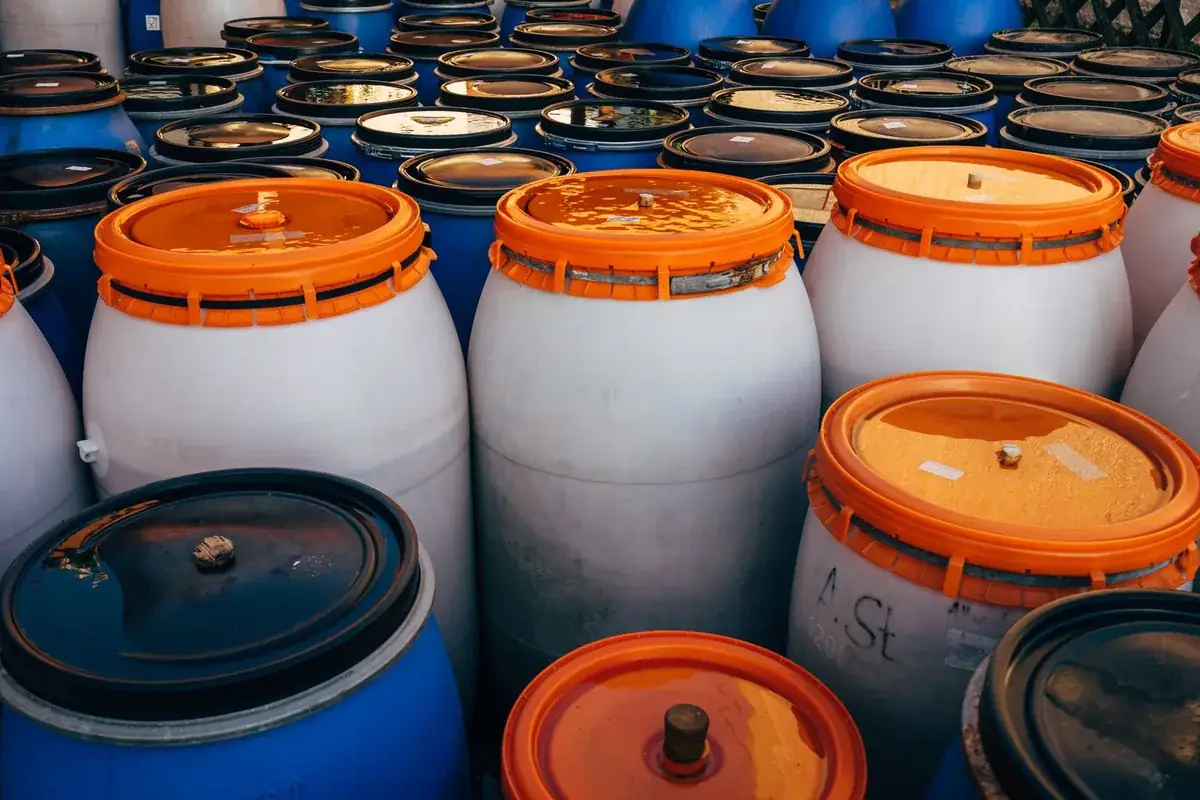
Cleaning up after drug use means handling two risks at once: sharps that can carry bloodborne pathogens and residue that can harm people who touch, breathe or swallow it.
Drug paraphernalia cleanup in Fort Meade is a safety and dignity job, and you can ask Fort Meade Biohazard Cleanup Help for that kind of care in Polk County. The crew keeps details private, takes care with every item and explains what was done.
Vacant housing is about 19% of homes in Fort Meade. Empty buildings can hold hidden syringes and residue, and owners often check them before repairs or sales. Emergency care for people in Fort Meade is available at Bartow Regional Medical Center in Bartow. Cleanup can wait until everyone is safe.
A typical drug paraphernalia cleanup job includes:
If it is safe, the owner takes photos from a distance for insurance or a lease dispute. The crew adds notes of its own.
Sharps come first, then bags, foil, containers and stained linens. Each is sorted into the right container.
Paraphernalia goes into sealed containers, and hard surfaces are cleaned with EPA-registered products.
The team removes the waste and shares what was done so the owner can keep it on file.
The cost of drug paraphernalia cleanup in Fort Meade, FL depends on the amount of material, how it is packed and how it is hauled.
Disposal of sharps and contaminated materials as regulated waste is part of the price, and it changes with the amount.
| Type of job | Typical range |
|---|
Published ranges only (); every drug paraphernalia cleanup job in Fort Meade is priced after an on-site look. Price drivers include amount of material, whether residue is present, surfaces affected, waste disposal. Questions? Call (877) 812-4220.
Police and the city do not usually clean the space afterward. The owner or the family books the cleanup once the scene is released. A cleanup team can work after the release and explain the steps. Ask the agency when the space is cleared.
Sometimes. Some homeowners and renters policies cover cleanup after a covered event, and some limit or exclude claims tied to illegal activity. Check your policy, call your insurance company before work starts, take photos if you can, and keep every receipt.
It is safer not to. You often cannot tell what an item or residue is, and hidden sharps are a risk. Do not mix cleaning products. A cleanup team has the protective gear and containers to do it safely, without judgment.
A single room can be cleared quickly, while a house with hidden items, soiled carpet and odor takes longer. The time depends on the amount of material and access. A team can give a realistic idea after hearing the details.
A careful cleanup removes the items and cleans the surfaces it covers. Testing is a separate step, and rules vary by place. Ask the team what it did and did not check, and ask the local health department what applies where you live.
It can. Once soiled items are removed, a team can treat lingering odor in the air and on surfaces. Ask what methods the team uses and whether odor treatment is part of the plan or a separate step.
Ask about discreet arrival in an unmarked vehicle if privacy matters.
Call (877) 812-4220